How to Sleep With a New Tattoo Without Sticking, Smudging, or Staining
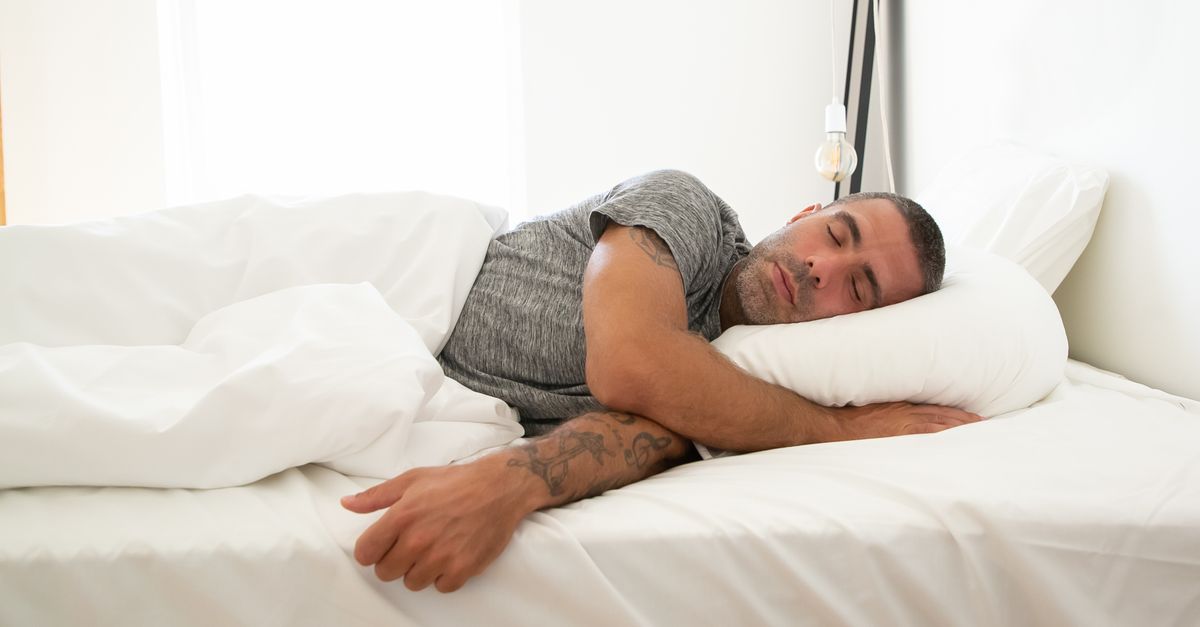
Sleeping with a brand new tattoo can be both exciting and stressful. For many of us at Mad Rabbit, fresh ink is not just art—it’s a commitment to self-expression and great skin. But the excitement of new ink often comes with the anxiety of potentially staining your sheets, smudging your design, or, worst of all, waking up with your tattoo stuck to your clothes or bedding. Proper nighttime tattoo aftercare doesn’t have to be complicated, but it does require a little planning and attention to detail to keep your ink crisp and your healing on track.
Why Sleep Matters for New Tattoo Healing
Your body does incredible work repairing the skin while you sleep. Growth hormones kick in, skin cell turnover is at its peak, and your tattoo needs this downtime to heal properly. Any additional pressure, friction, or trapped moisture during this phase can lead to irritation, infection, or blurring. We consistently hear from within our Mad Rabbit community—and have seen in the studio—that the first few nights are the most crucial. Getting them right can mean the difference between a tattoo that heals brilliantly and one you’ll be looking to touch up before long.
Key Challenges: Sticking, Smudging, and Staining
- Sticking: Plasma, excess ink, and some aftercare products (especially petrolatum-based ointments) can make your tattoo "tack" to sheets or clothing. Peeling it off can damage scabs and blur lines.
- Smudging: Rubbing or pressure shifts ink particles. This is especially common if you toss and turn or sleep directly on the fresh tattoo.
- Staining: Ink and plasma can seep out in the first few nights, creating tough stains on bedding and loungewear.
Step-by-Step Nighttime Routine for New Tattoos
Here’s the approach we recommend, based on what we practice ourselves as artists and tattoo lovers—and what works best for Mad Rabbit customers.
- Clean Gently—Every Night
Before hitting the pillow, wash your tattoo with a gentle, fragrance-free cleanser. This removes excess plasma and helps prevent sheets from sticking to your skin. Use lukewarm water and pat dry with a disposable paper towel or a clean, dedicated cloth. Avoid anything that might harbor bacteria, like reused towels. - Hydrate with Non-Sticky, Clean Tattoo Aftercare
Apply a thin layer of aftercare specifically designed for new tattoos. Mad Rabbit’s Tattoo Balm Stick is made for hands-free application, helps preserve ink vibrancy, and forms a non-greasy, breathable barrier.
Tattoo Balm Stick - Dress for Healing—Loose, Clean, and Breathable Only
Soft cotton pajamas or a loose tee are plenty. Go shirtless if possible on upper body tattoos. Always wear something clean, as your skin is an open wound for at least the first few nights. - Choose Bedding Wisely
Swap out light-colored or expensive sheets for older, dark ones that you don’t mind staining. For maximum security, lay down a soft, clean towel beneath you in bed—this catches any leaks and reduces friction. - Cover—But Only If Advised
If your artist applied a medical-grade, breathable wrap, wear it as directed for the first 8-24 hours. Remove as soon as recommended to allow airflow and avoid moisture traps that can cause sticking. Unless specifically instructed to keep wrapped at night, most tattoos do better uncovered by night two. - Optimize Your Sleep Position
- Arm tattoos: Sleep on the opposite side or on your back. Hug a body pillow to prevent rolling onto the inked side.
- Leg tattoos: Elevate the leg with an extra pillow to encourage drainage and prevent sticking.
- Back tattoos: Stomach or side positioning with a towel under your torso typically works best.
- Chest tattoos: Sleep on your back using pillows to elevate a bit—minimize pressure and swelling.
- Keep Your Space Cool
Overheating increases sweating and bacteria risk. Set your room temperature to around 65-70°F, and skip electric blankets or anything that could make you sweaty.
Busting Common Myths and Mistakes
- Myth: More ointment is better.
Fact: Heavy or greasy ointments can actually cause your tattoo to stick more and suffocate healing skin. Use a light layer of the right aftercare. - Myth: You can sleep however you want after a couple days.
Fact: Pressure and friction can disrupt healing and ink placement for up to two weeks. Be mindful of direct pressure for as long as possible. - Mistake: Not swapping out bedding. Shared, dirty, or pet-covered sheets are a recipe for infection and mess during the most vulnerable stages.
PRO TIPS: Tattoo Location-Specific Sleep Hacks
| Tattoo Location | Best Sleep Position | Pro Tip |
|---|---|---|
| Arm | Back or opposite side | Use a pillow to keep arm stable and off the mattress; wear a clean sleeve if skin rubs against bedding |
| Leg | Back, leg elevated | Keep a soft, absorbent towel under your leg |
| Back | Stomach or side | Change pillowcases nightly, avoid thick comforters directly on tattoo |
| Chest | Back, upper body slightly raised | Use multiple pillows for elevation—this can also limit swelling |
Morning Aftercare: What to Do If Your Tattoo Stuck to Sheets
- Don’t rip fabric off your tattoo. Wet the area with lukewarm water until it loosens naturally.
- Wash gently, pat dry, and apply a fresh layer of balm.
- Wear loose clothing during the day—tight waistbands, bras, or shoes (for foot tattoos) slow healing.
How Our Tattoo Enthusiast Community Approaches Sleep After New Ink
We’ve gathered consistent feedback from the Mad Rabbit customer base and team artists: people who follow a careful nighttime routine—the one recommended here—report fewer cases of scabbing, less ink loss, and much cleaner lines once healed. Several say our non-greasy products (like the Tattoo Balm Stick and Soothing Gel) have materially reduced instances of sheets sticking and have kept already vibrant designs looking bold.
Nighttime Routine Kit: What to Use and When
- For immediate post-tattoo (days 1–3): Cleanse with a gentle, tattoo-safe wash, pat dry, and use a light layer of soothing gel or balm as recommended by your artist.
- For days 3 and onward: Continue moisturizing with a specialized product like Tattoo Balm Stick to keep the area hydrated but not greasy or sticky (our formula excels at this).
- Switch to daily lotion or SPF 30 Tattoo Sunscreen only once scabbing is gone and the tattoo is no longer open, especially if your tattoo is on an area exposed to sunlight during the day.
Frequently Asked Questions About Sleeping With a New Tattoo
- Q: When can I stop worrying about my tattoo sticking at night?
A: Most tattoos are less likely to stick after the first week, but avoid direct pressure and continue using breathable, non-greasy products for up to two weeks. - Q: Should I cover my tattoo at night?
A: Generally, cover only if recommended by your tattoo artist for the first night. After that, allow the area to breathe and use clean, loose sleepwear and bedding. - Q: What should I do if I have a pet or a partner who shares my bed?
A: For the first week, keep the tattoo covered when not able to supervise direct contact, or use bedding barriers. Keep pets off the bed if possible—fur, dander, and dirt are open-wound enemies.
Connecting Nighttime Healing with Your Whole Tattoo Journey
If you’re new to tattoos or want a roadmap of the entire aftercare process, you might find our comprehensive guide on what to do in the first 48 hours after a tattoo and our tips on when and how to moisturize helpful additions to your self-care arsenal.
Final Thoughts
Sleeping well with a new tattoo is not just about protecting your bedding—it’s about giving your skin the best chance to heal cleanly, reduce complications, and bring that design to life exactly as you dreamed. At Mad Rabbit, we put science-backed aftercare at the forefront of our product line because we believe your skin (and your ink) deserves long-term love, not just quick fixes.
If you want to level up your entire aftercare experience, check out our complete aftercare products and artist-approved routines at Mad Rabbit.